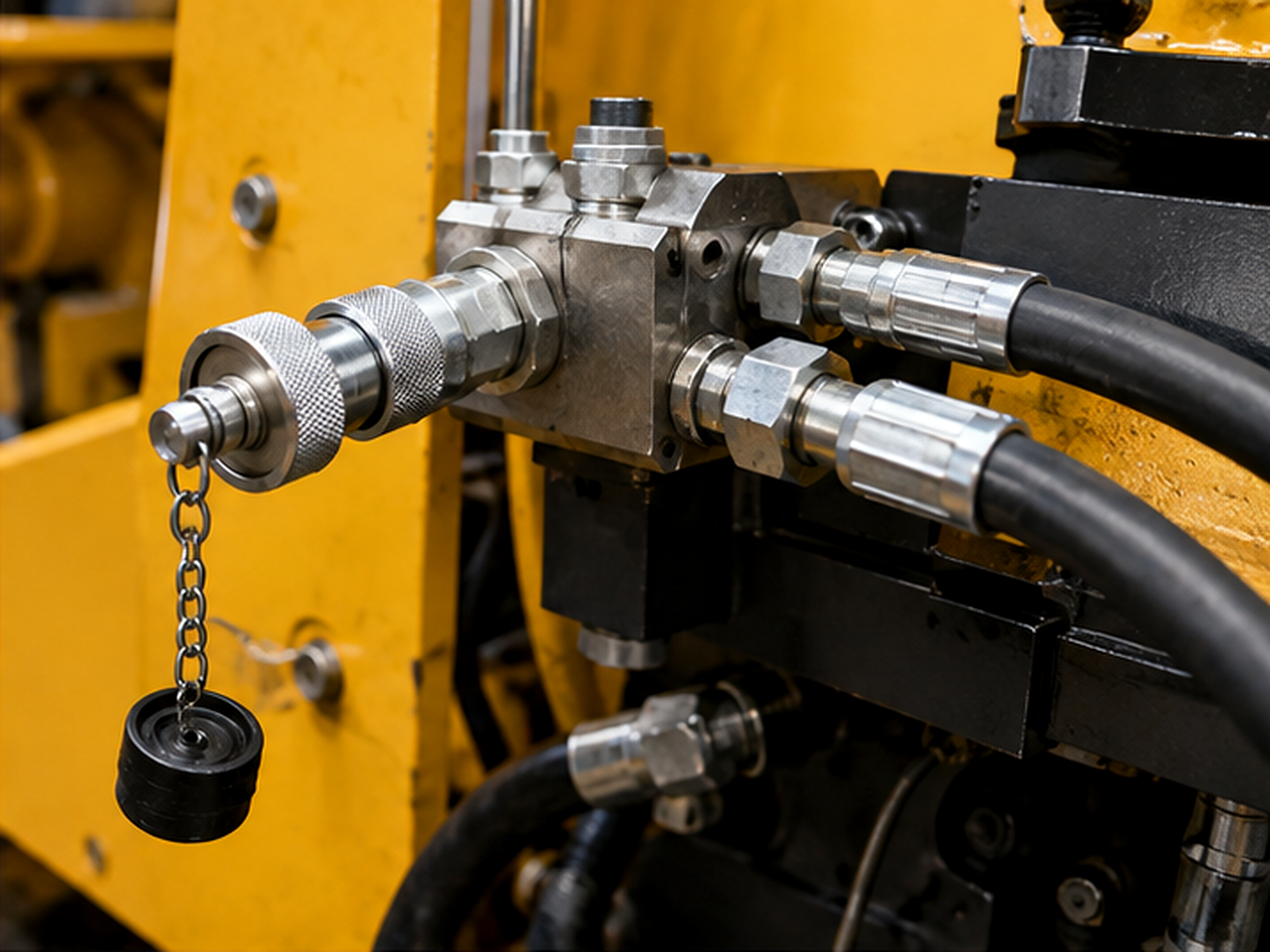
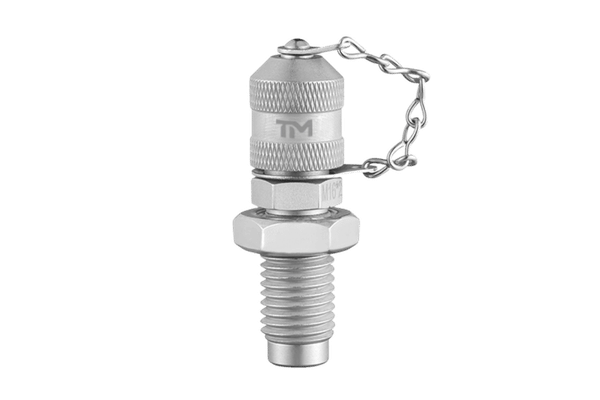
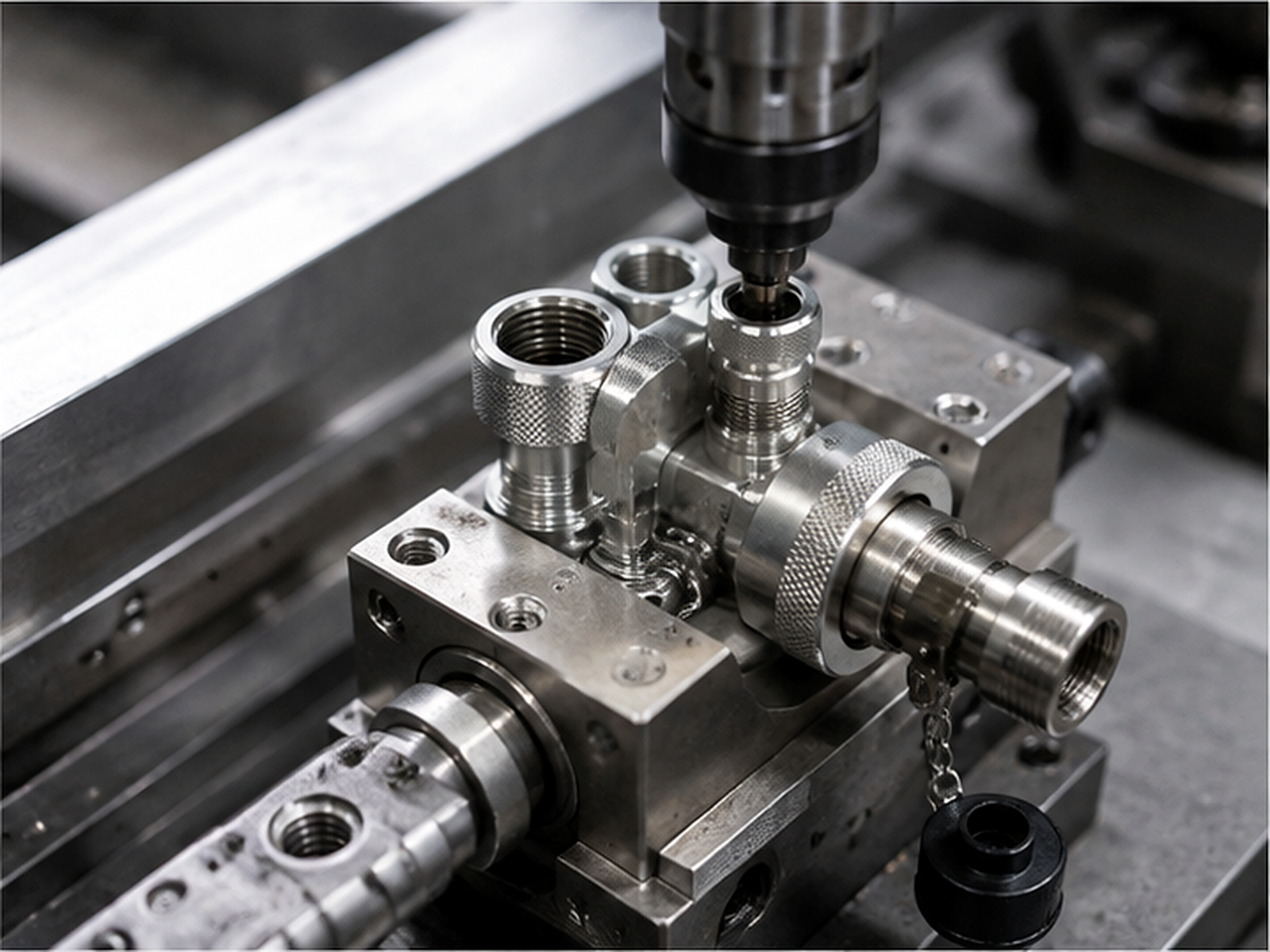
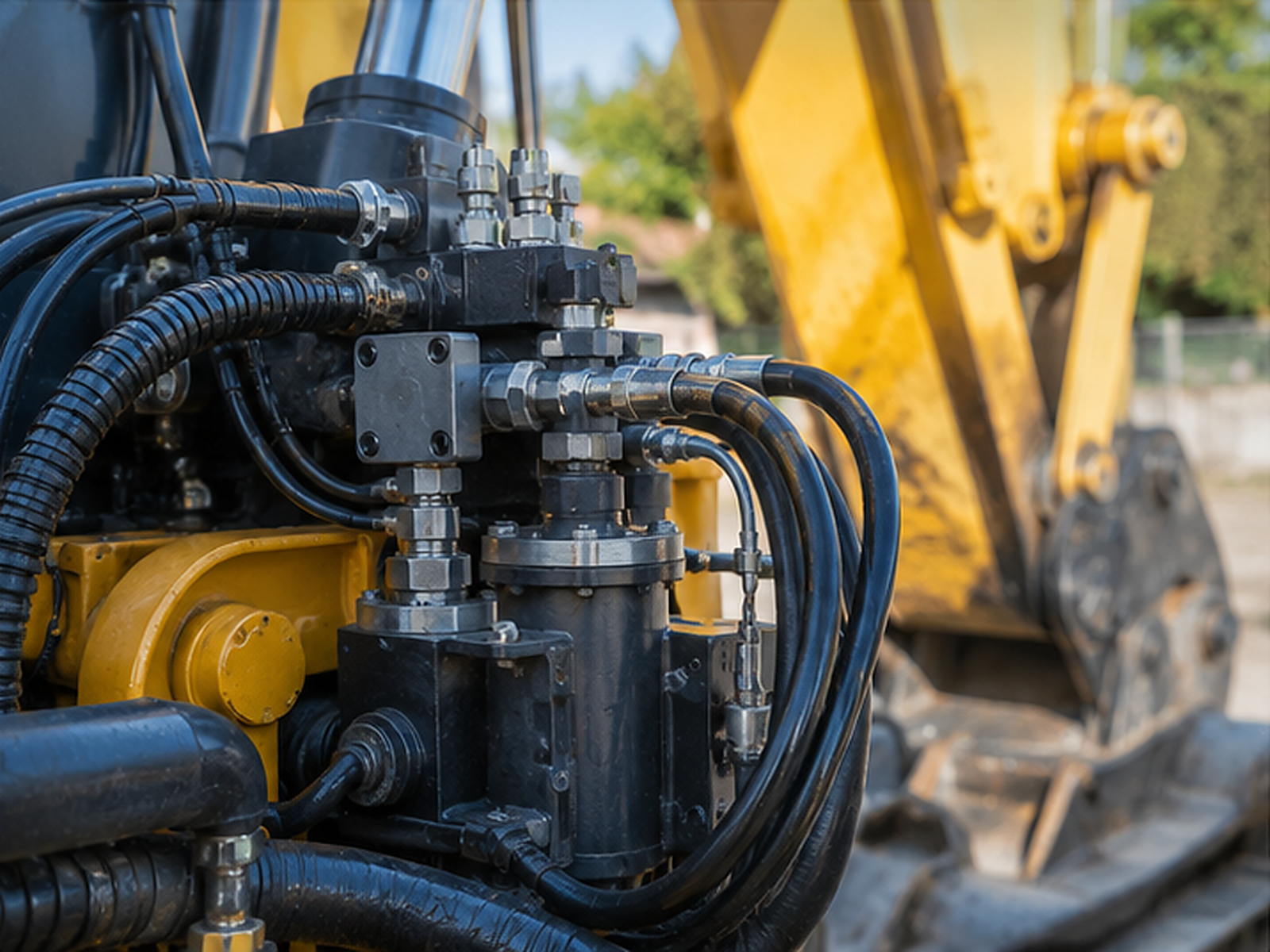
Record road salt, wet storage, pressure washing, cap handling and access after guards are installed. A protected location and a directly exposed location should not receive the same material review by default.
Name cleaning chemicals, product residue, ambient vapour and the hydraulic medium separately. A 316 stainless steel candidate may improve relative resistance, yet the complete chemical and temperature envelope still controls.
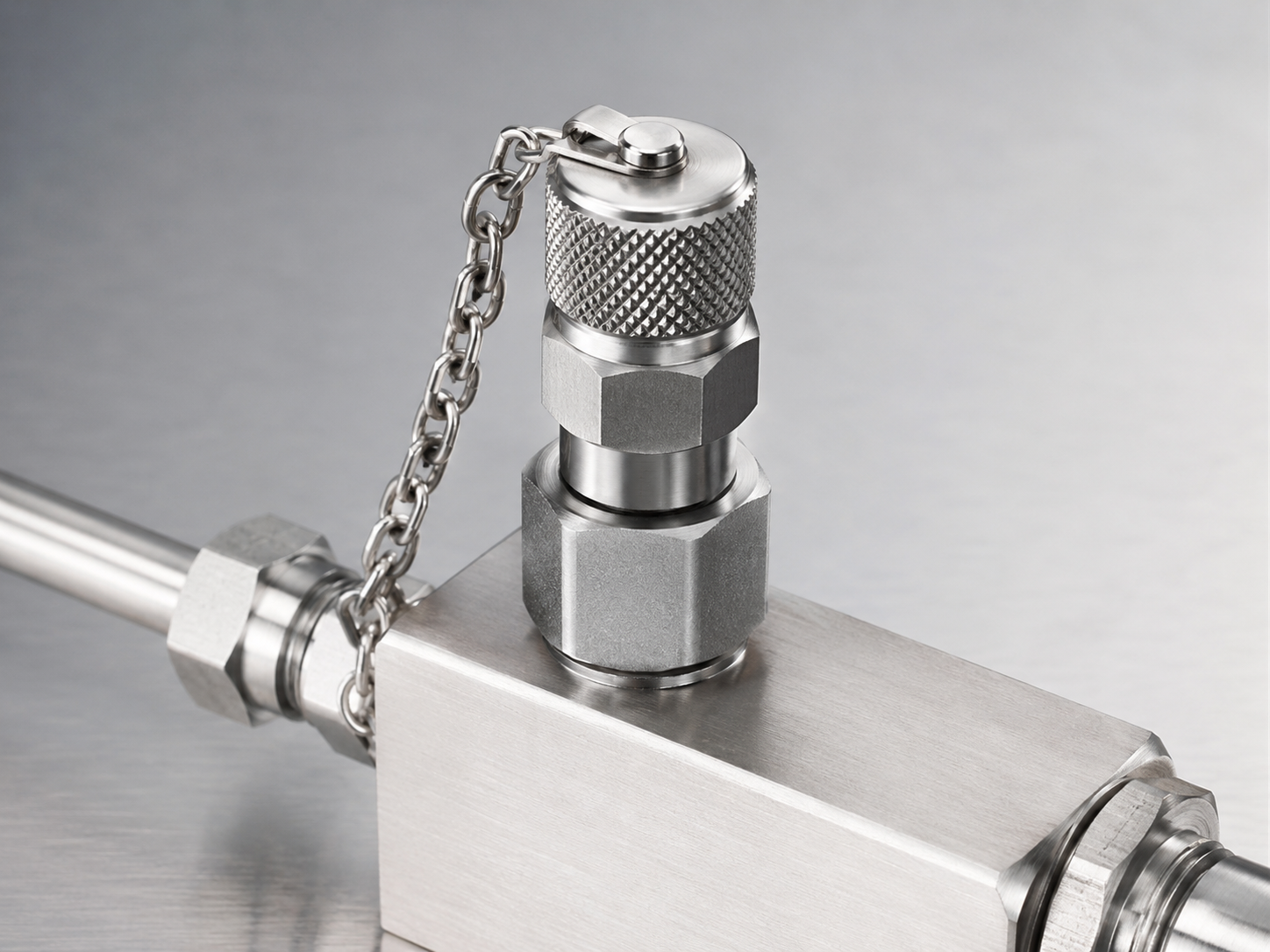
Document direct seawater contact, salt spray, drying cycles, drainage and crevices under the cap or fitting. British Stainless Steel Association guidance warns that 316 remains limited in seawater service.[5]
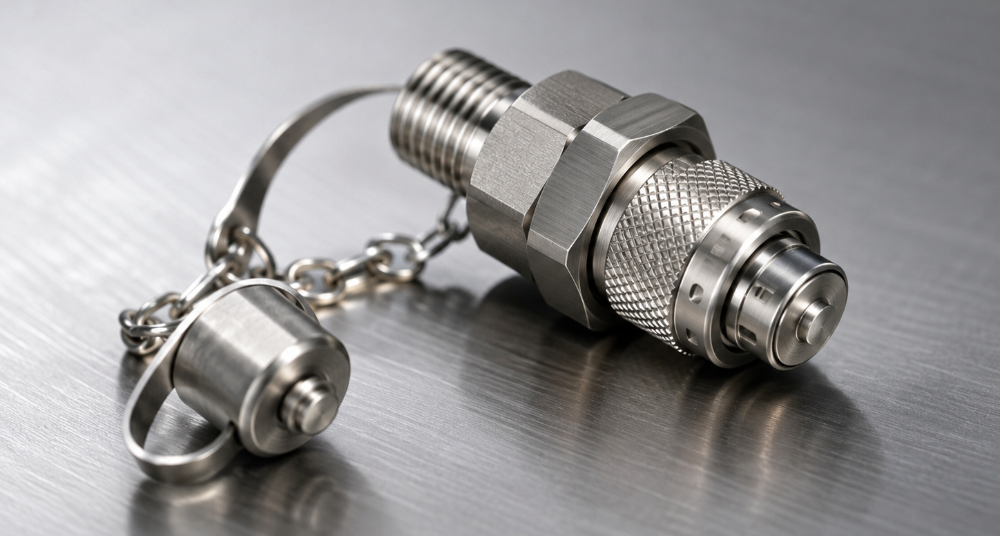
Describe dust, slurry, deposits and how the diagnostic port is cleaned before connection. The material choice does not remove the need to protect the connector and keep contamination out of the hydraulic system.
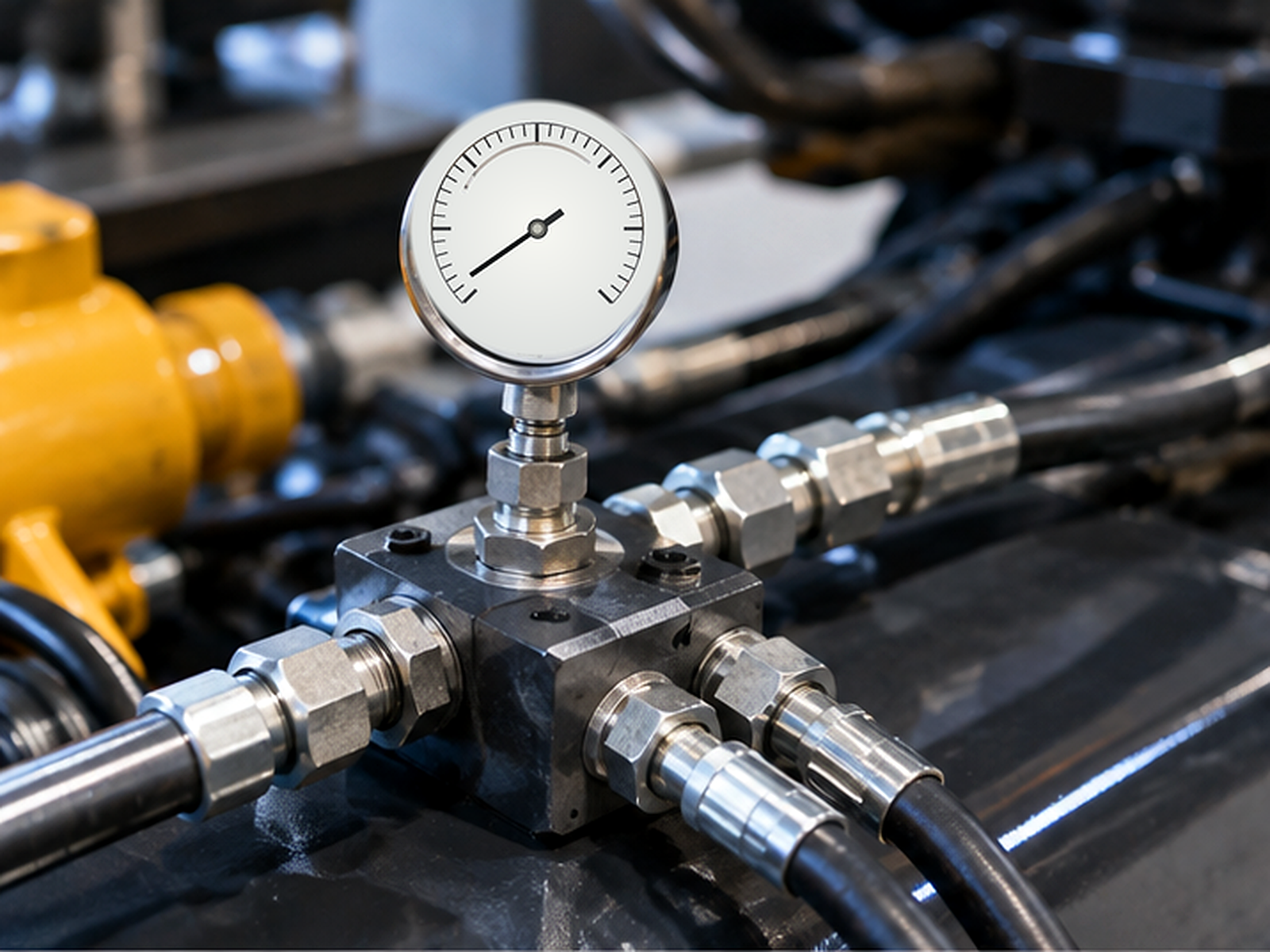
Give start-up minimum, normal operating temperature, short peaks and cleaning temperature. Compare those values with the seal, hose, gauge and body evidence for the requested model.
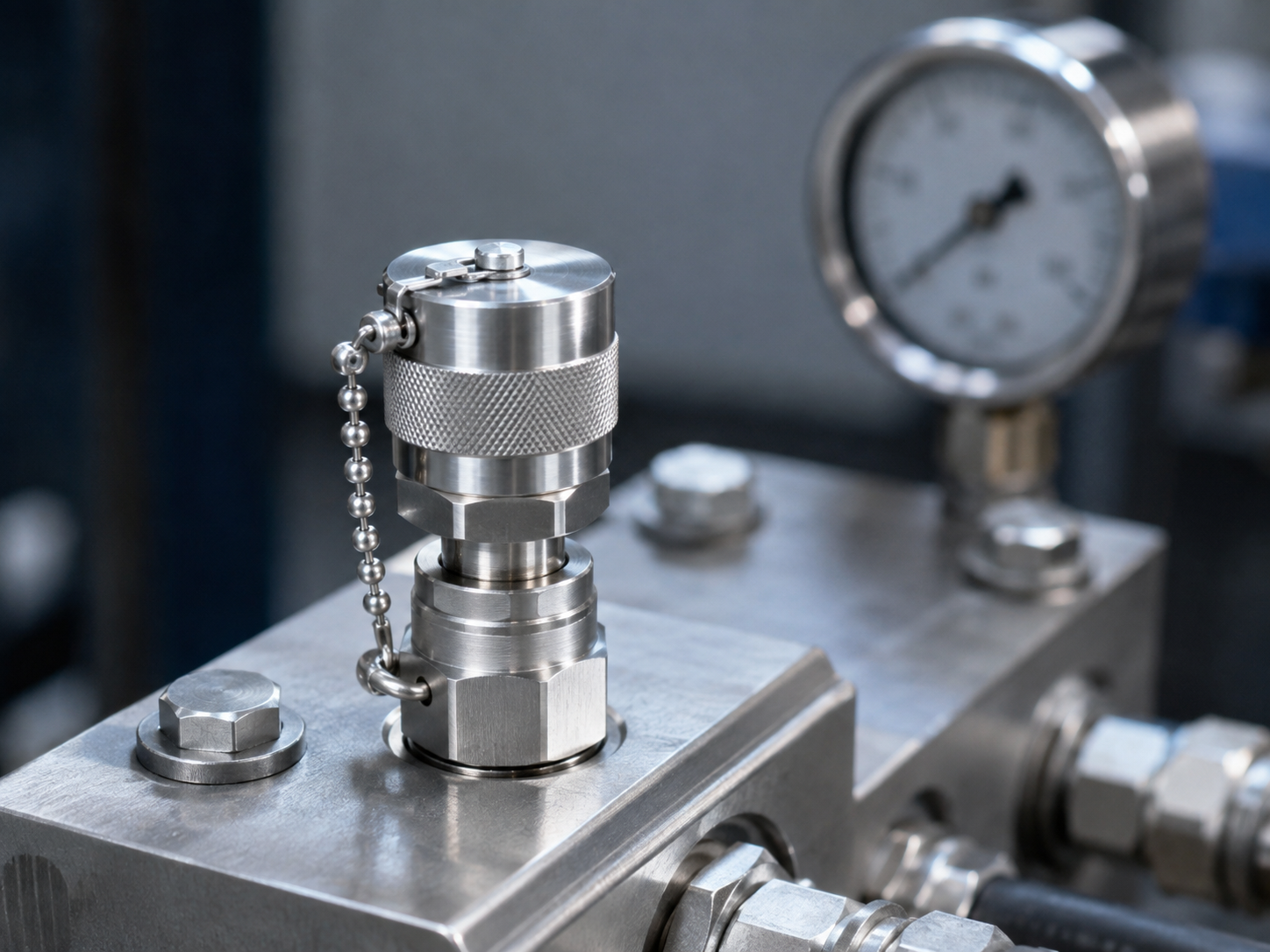
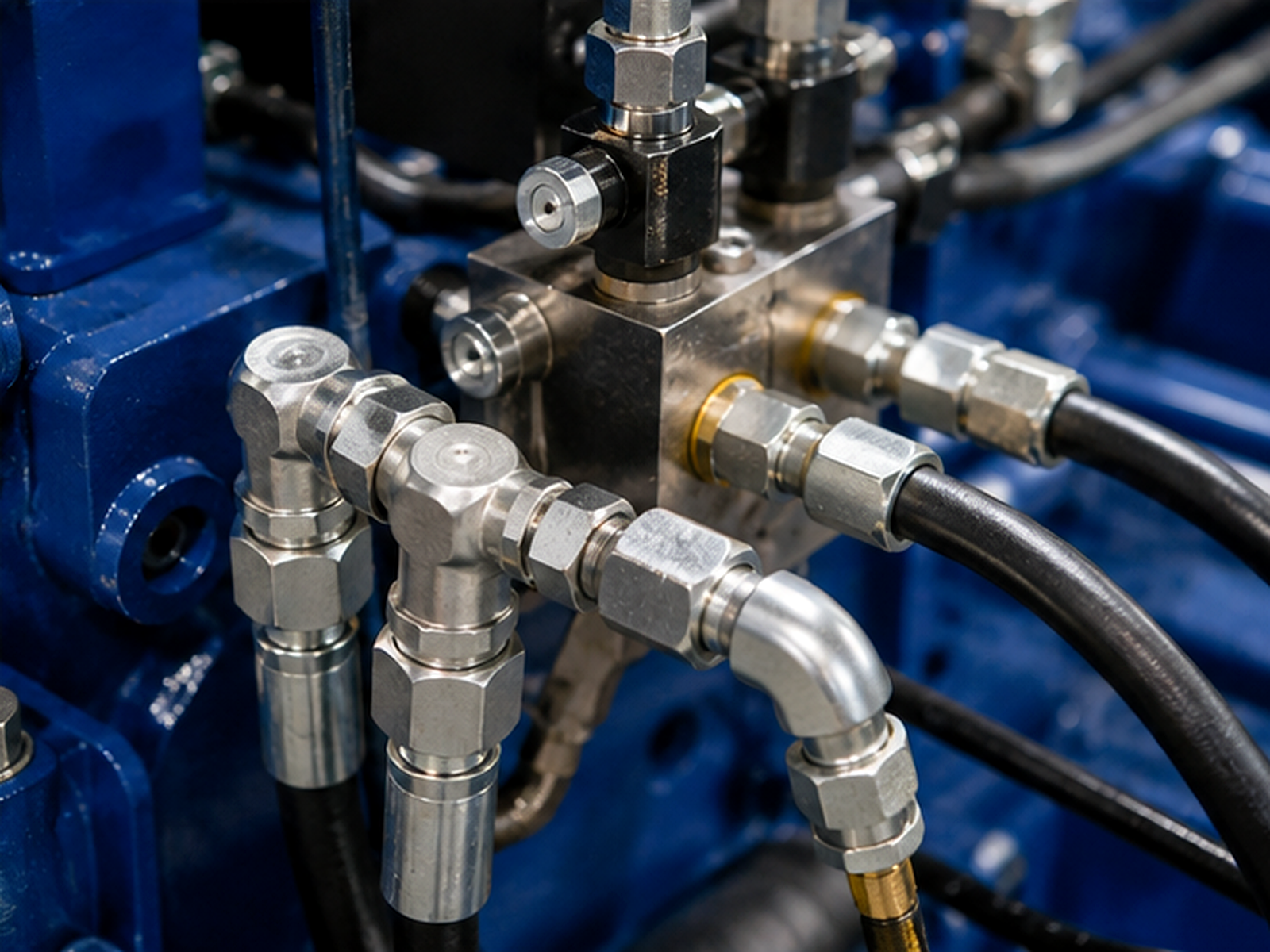
Show the technician’s approach, wrench envelope and connected-hose route. A correctly threaded port can remain a poor diagnostic point if the operator cannot couple, monitor and disconnect it safely.