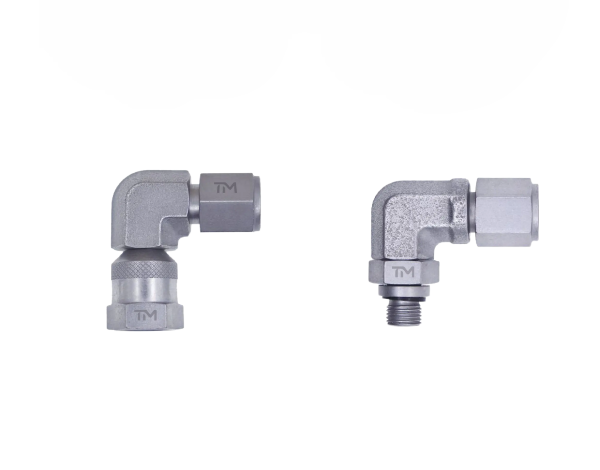
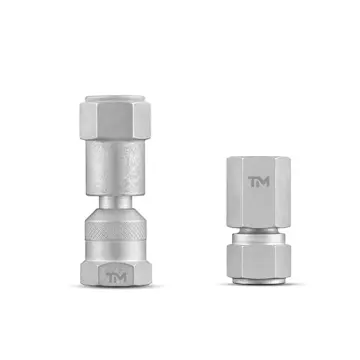
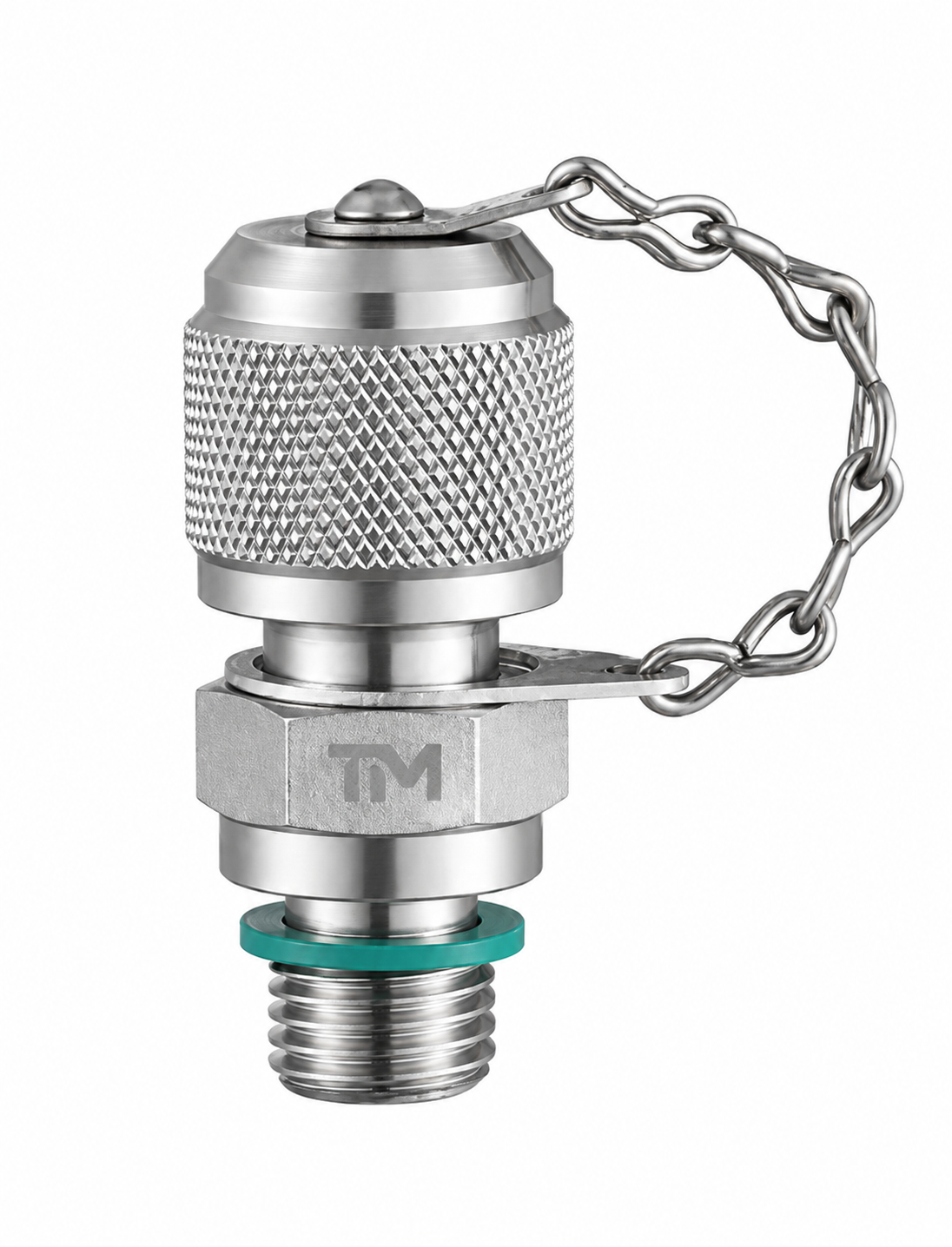
Stainless Steel Hydraulic Test Point for Corrosion-Resistant Pressure Testing

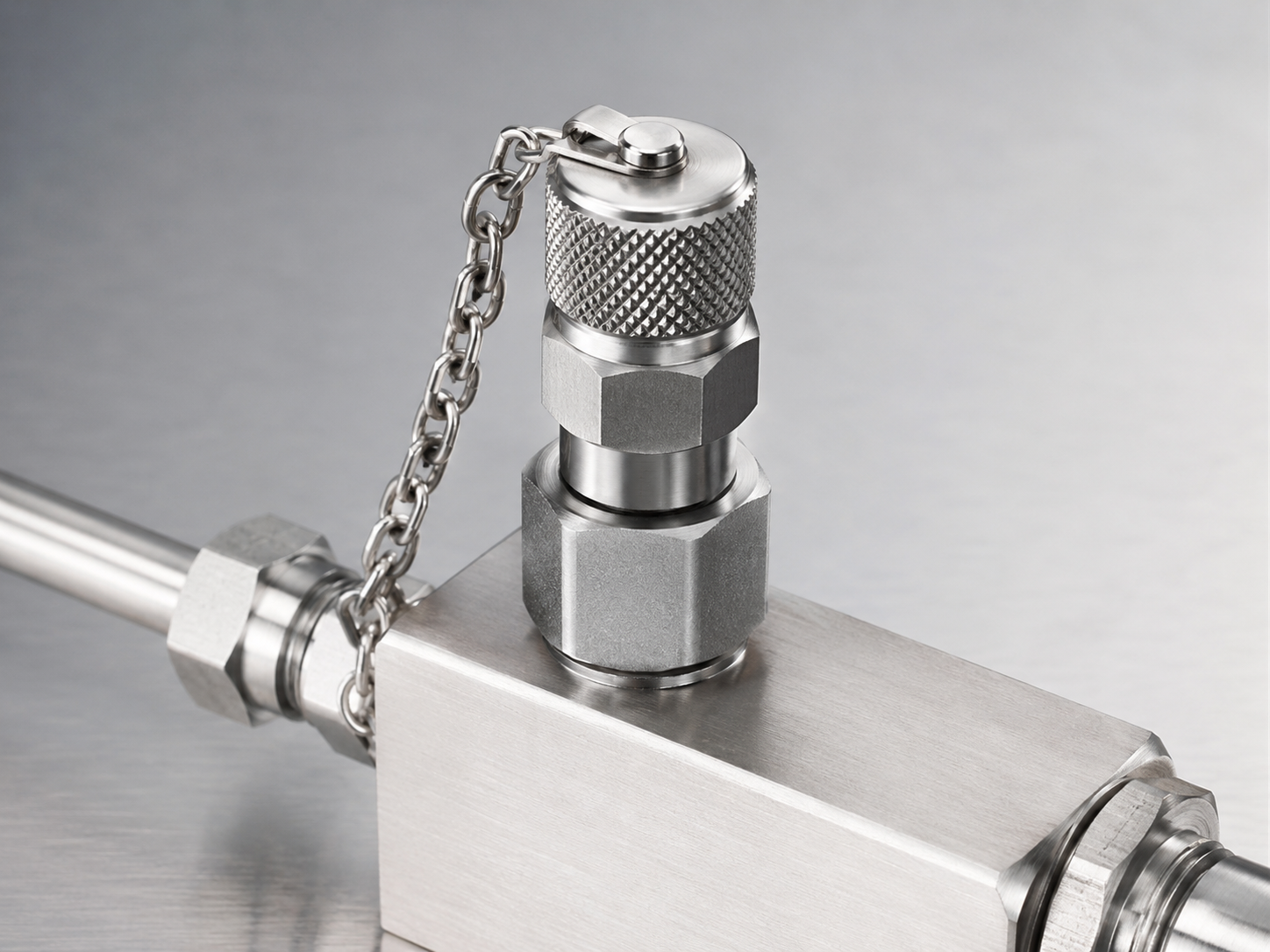
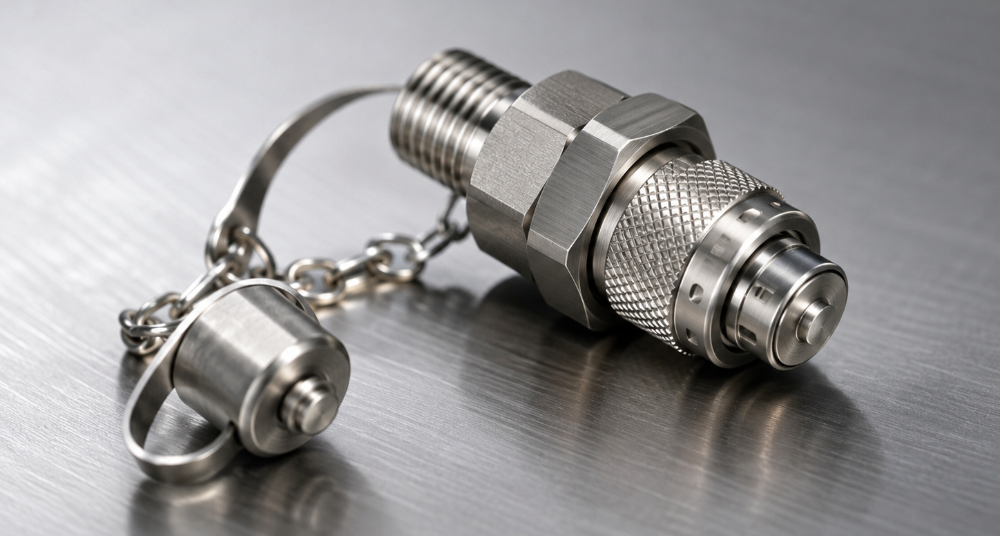
A stainless steel hydraulic test point provides a controlled port for pressure checks, gauge connection and condition monitoring without opening the main line. Buyers may also call it a hydraulic test port or hydraulic test coupling. Before TIME releases a drawing, it reviews external exposure, the diagnostic and machine-side interfaces, pressure states and sealing requirements.

Stainless Steel Hydraulic Test Point for Pressure Testing
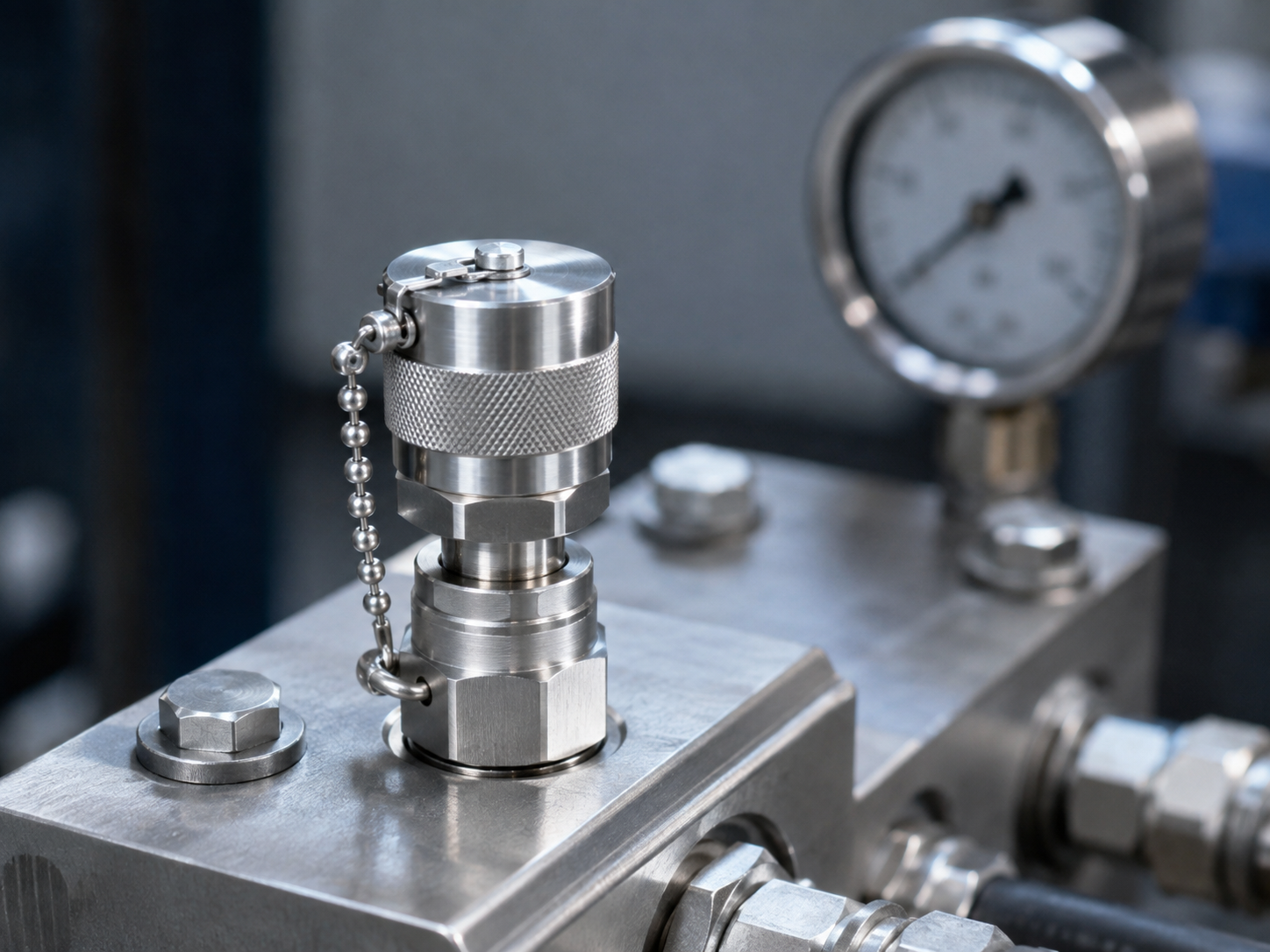
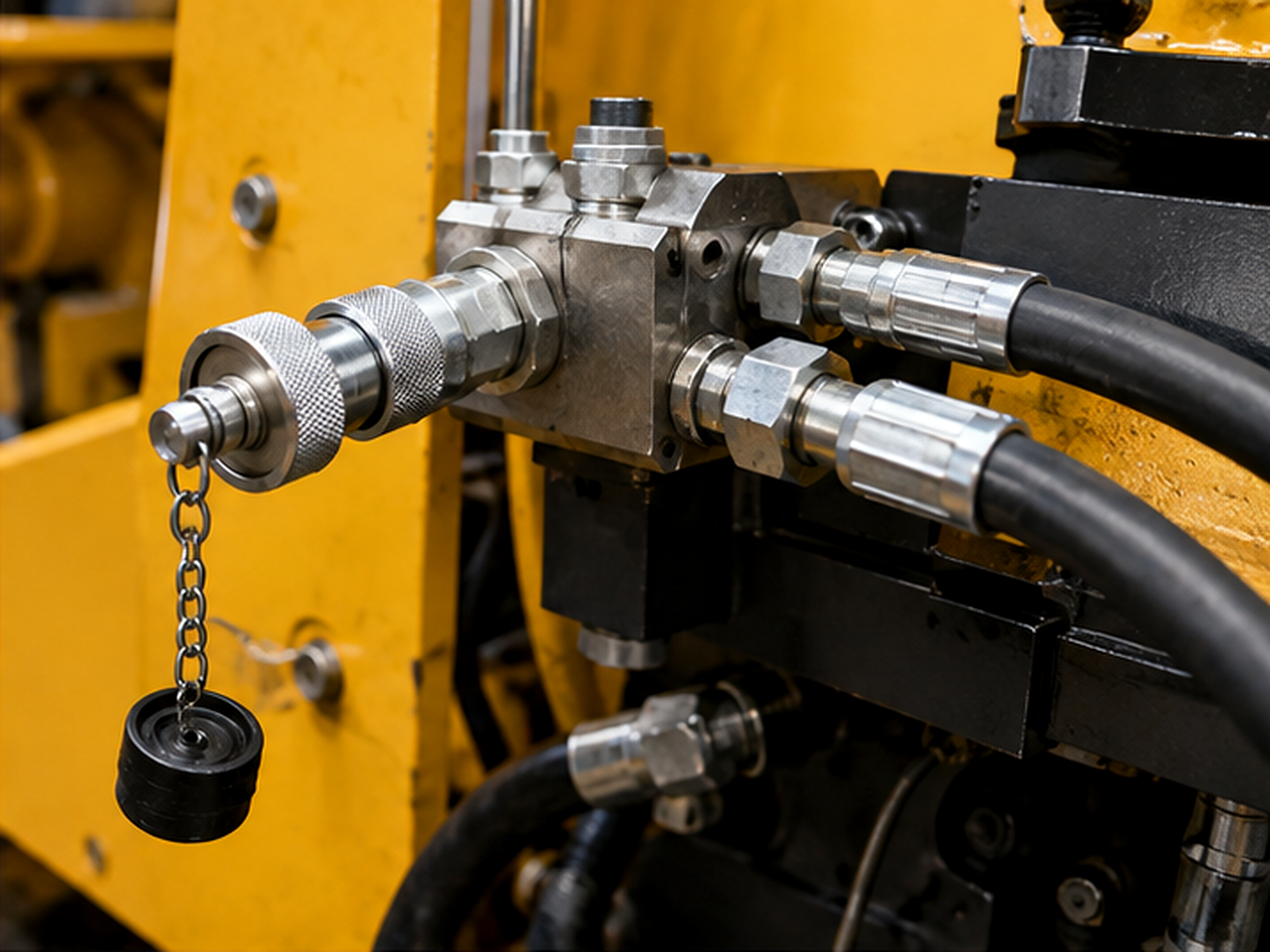
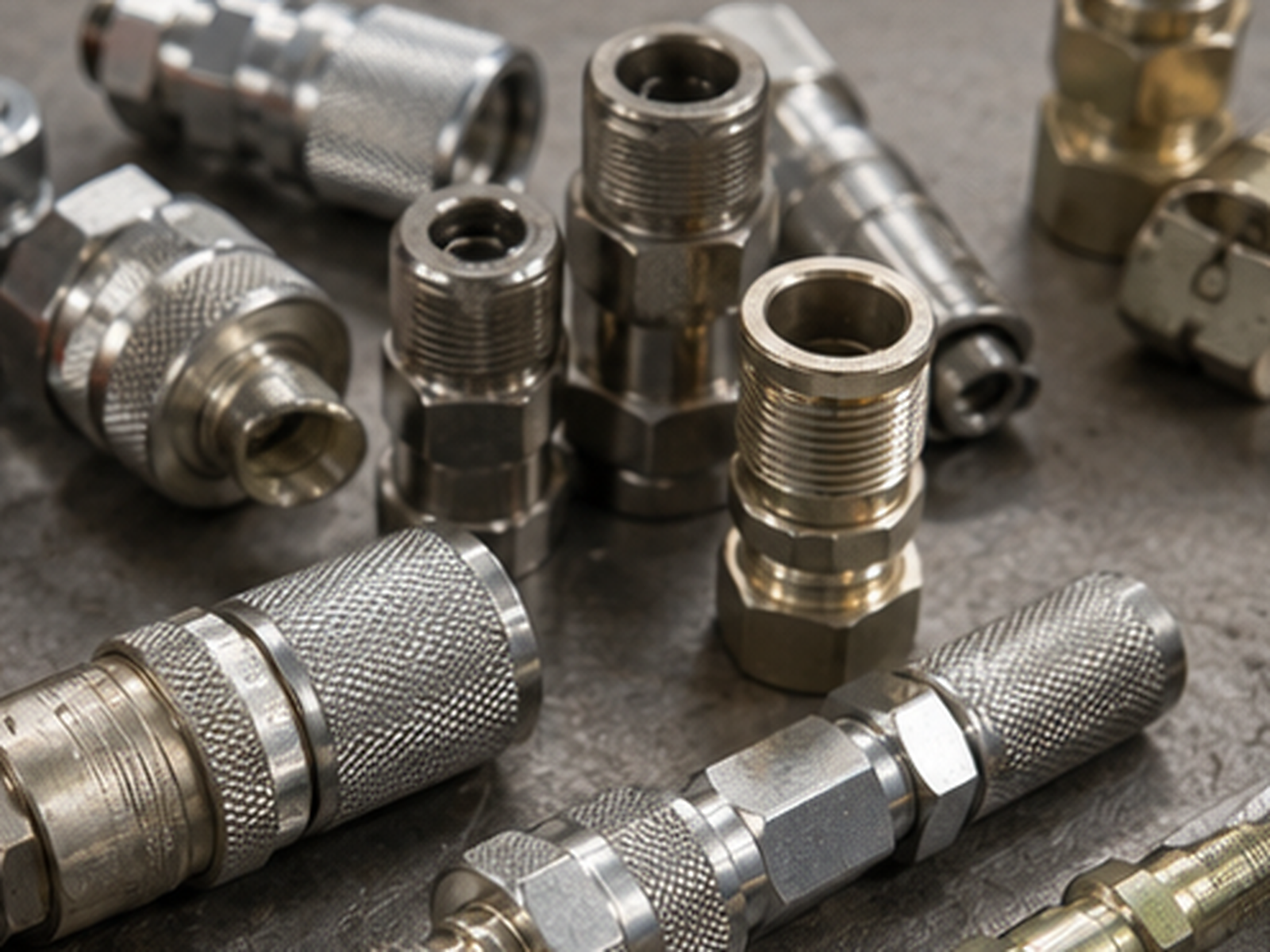
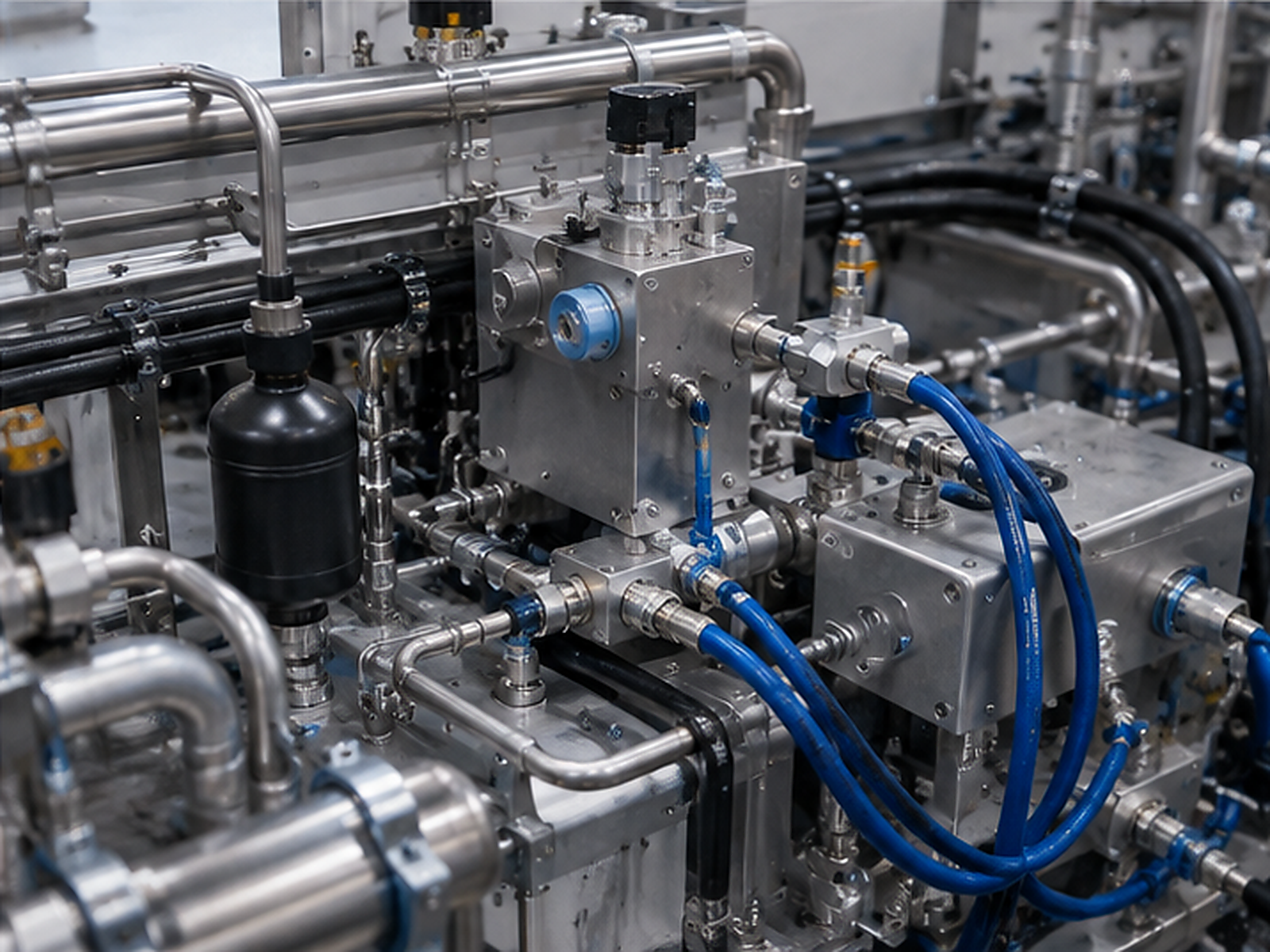
Close-up of Stainless Steel Test Points, showing complex machinery interfacing
01

304 or 316L candidate based on the real exposure

02

Diagnostic connection and machine-side process thread

03

Working, test and connection-under-pressure states

04

Fluid, temperature, seal and requested evidence

Manufacturing and Product Facts

304 / 316L

Stainless steel product-family options; exact grade is drawing-bound.

100% inspection

100% inspection for every test point; method and acceptance scope are order-specific.

3-year quality warranty

Remedy, exclusions and start date follow the written order terms.

5,000 m²

TIME Hydraulic operates a 5,000 m² production facility, with new workshops under development.

Focused range

TIME Hydraulic manufactures hydraulic test points and hoses exclusively.

Drawing-led review

Connection, material, pressure and evidence inputs stay on one revision.

Brand relationship: IKIN is our registered trademark, and TIME Hydraulic is the operating company. The statements on this page are product-family and company statements; the confirmed drawing controls the ordered configuration. [7][8]

TIME Hydraulic Manufacturing and Product Facts

Stainless Test Points for Demanding Hydraulic Service

Stainless steel is often the better starting material where external exposure works against plated carbon steel. The word “stainless” is not a specification by itself; the grade still has to fit the chemistry, washdown routine, temperature and installed geometry.

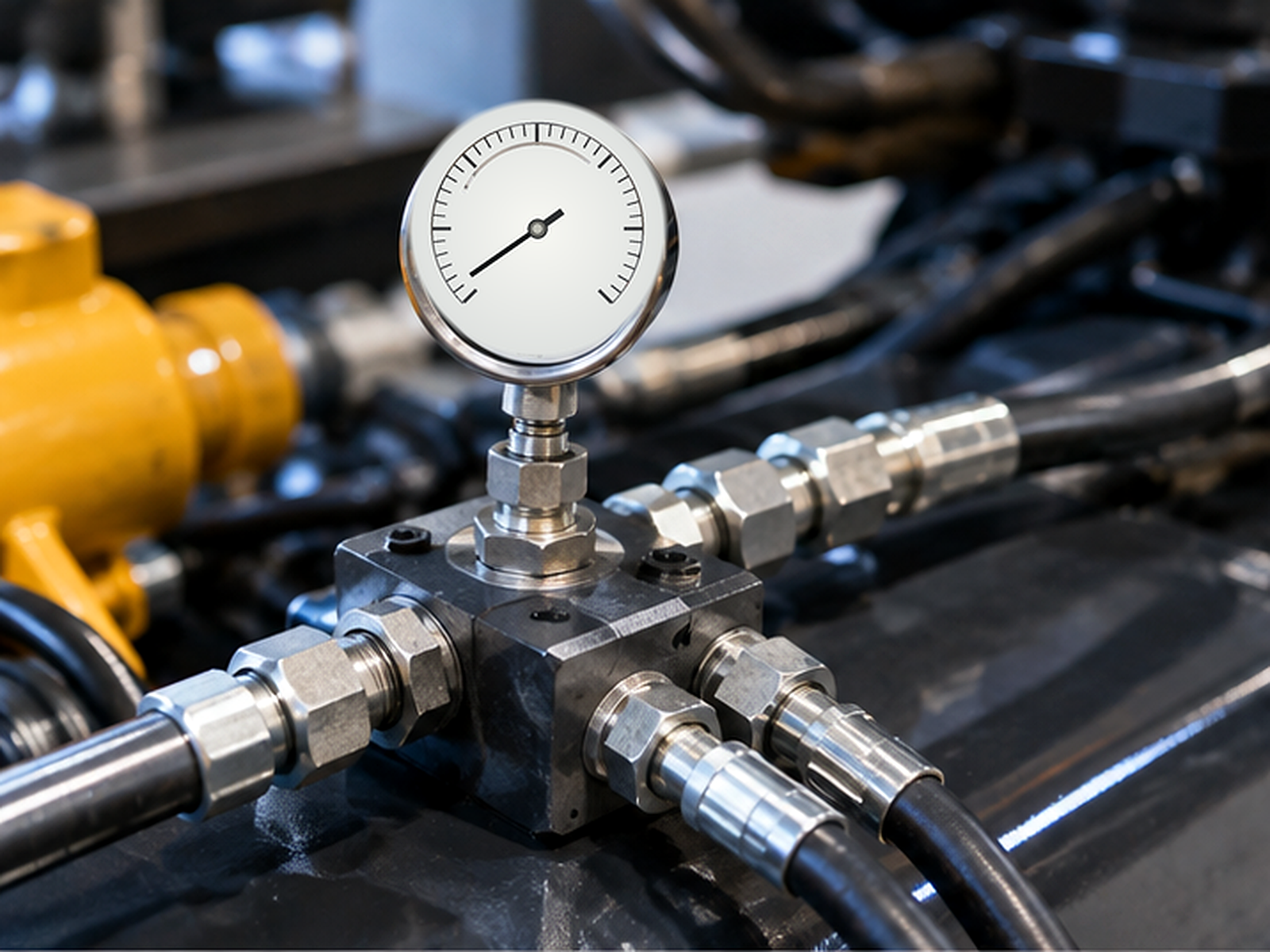
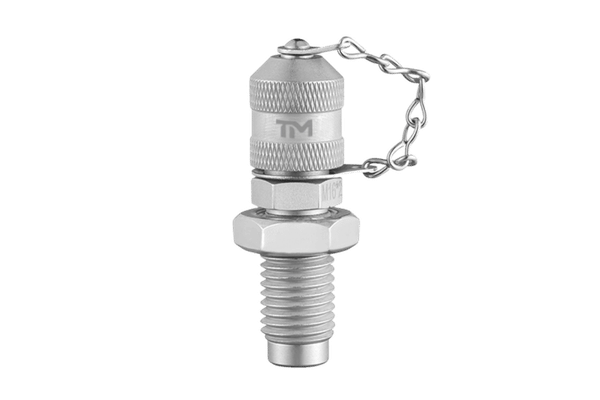
Stainless Steel Test Point in extreme service environment, showing orbital hologram effect
Service-Specific Review
  • Record external chloride, moisture, cleaning agents and contamination sources.
  • Distinguish the hydraulic fluid from chemicals that contact only the outside surface.
  • Identify crevices, deposits, poor drainage and mixed-metal contact.
  • Show where the technician must connect the test hose or pressure gauge.
Specification Note

Not a grade-only decision: a corrosion resistant test point still needs a service-specific review. Neither 304 nor 316L should be described as corrosion-proof.

Request Technical Review

304 and 316L Stainless Steel Options

A 304 stainless steel test point can suit a controlled environment when the documented exposure supports that grade. A 316L stainless test point adds molybdenum-bearing corrosion resistance relative to 304 in many chloride and reducing-acid conditions, but it still needs an application-specific compatibility review.[3][4]

304 and 316L Stainless Steel Options
Selection item 304 candidate 316L candidate Evidence request
General environment Review for controlled industrial service Review where exposure asks for stronger localized-corrosion resistance Environment description and cleaning method
Chloride exposure Do not select by name alone Better relative resistance does not equal immunity Chloride source, concentration if known, temperature and wet time
Crevice risk Check deposits, threads, caps and trapped moisture Check the same geometry; grade does not remove the crevice Installed orientation, drainage and surface condition
Mixed metals Review electrical contact and area ratio Review the complete assembly, not just the body Mating port, fastener, hose end and panel materials
Temperature and chemistry Confirm the complete service envelope Escalate aggressive combinations for engineering review Minimum, maximum, pH and named chemicals

Application Inputs That Change the Selection

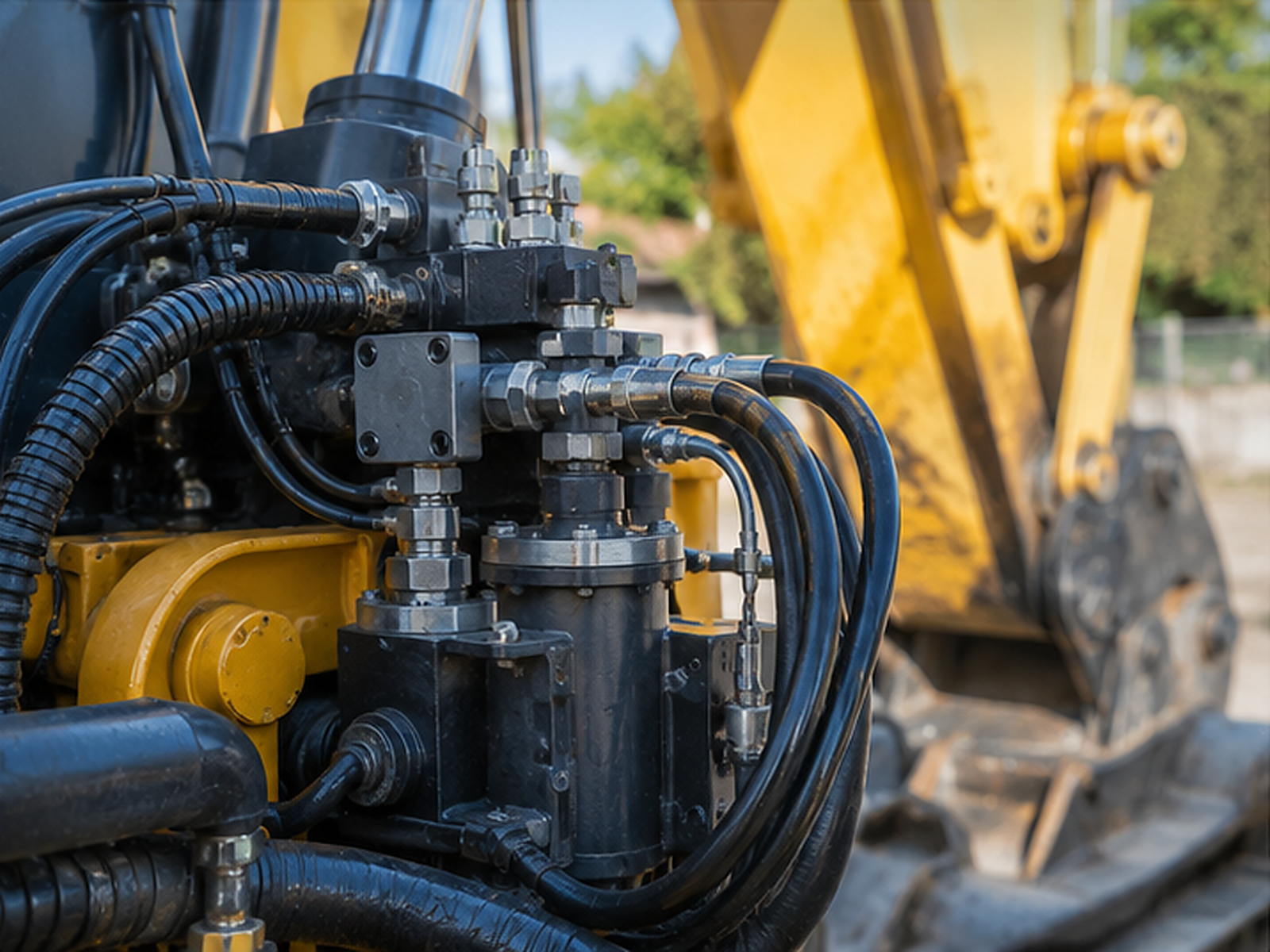
The same stainless body can face different failure risks on mobile equipment, process machinery, outdoor power units or coastal installations. The Material–Exposure Selection Dossier turns chemistry, temperature and accumulation points into application evidence that TIME can review before recommending a candidate.

Record road salt, wet storage, pressure washing, cap handling and access after guards are installed. A protected location and a directly exposed location should not receive the same material review by default.

Name cleaning chemicals, product residue, ambient vapour and the hydraulic medium separately. A 316 stainless steel candidate may improve relative resistance, yet the complete chemical and temperature envelope still controls.

Document direct seawater contact, salt spray, drying cycles, drainage and crevices under the cap or fitting. British Stainless Steel Association guidance warns that 316 remains limited in seawater service.[5]

Describe dust, slurry, deposits and how the diagnostic port is cleaned before connection. The material choice does not remove the need to protect the connector and keep contamination out of the hydraulic system.

Give start-up minimum, normal operating temperature, short peaks and cleaning temperature. Compare those values with the seal, hose, gauge and body evidence for the requested model.

Show the technician’s approach, wrench envelope and connected-hose route. A correctly threaded port can remain a poor diagnostic point if the operator cannot couple, monitor and disconnect it safely.


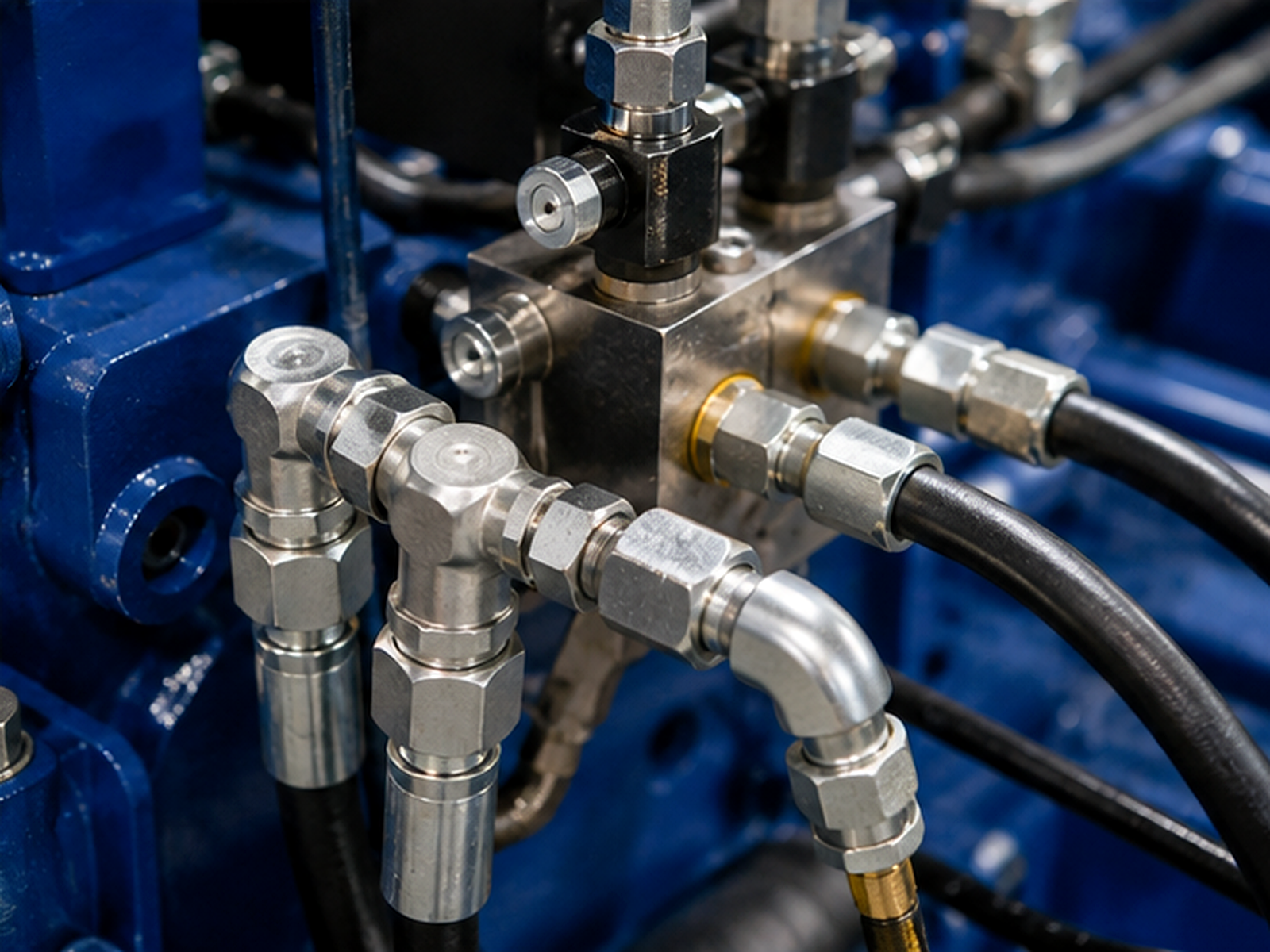
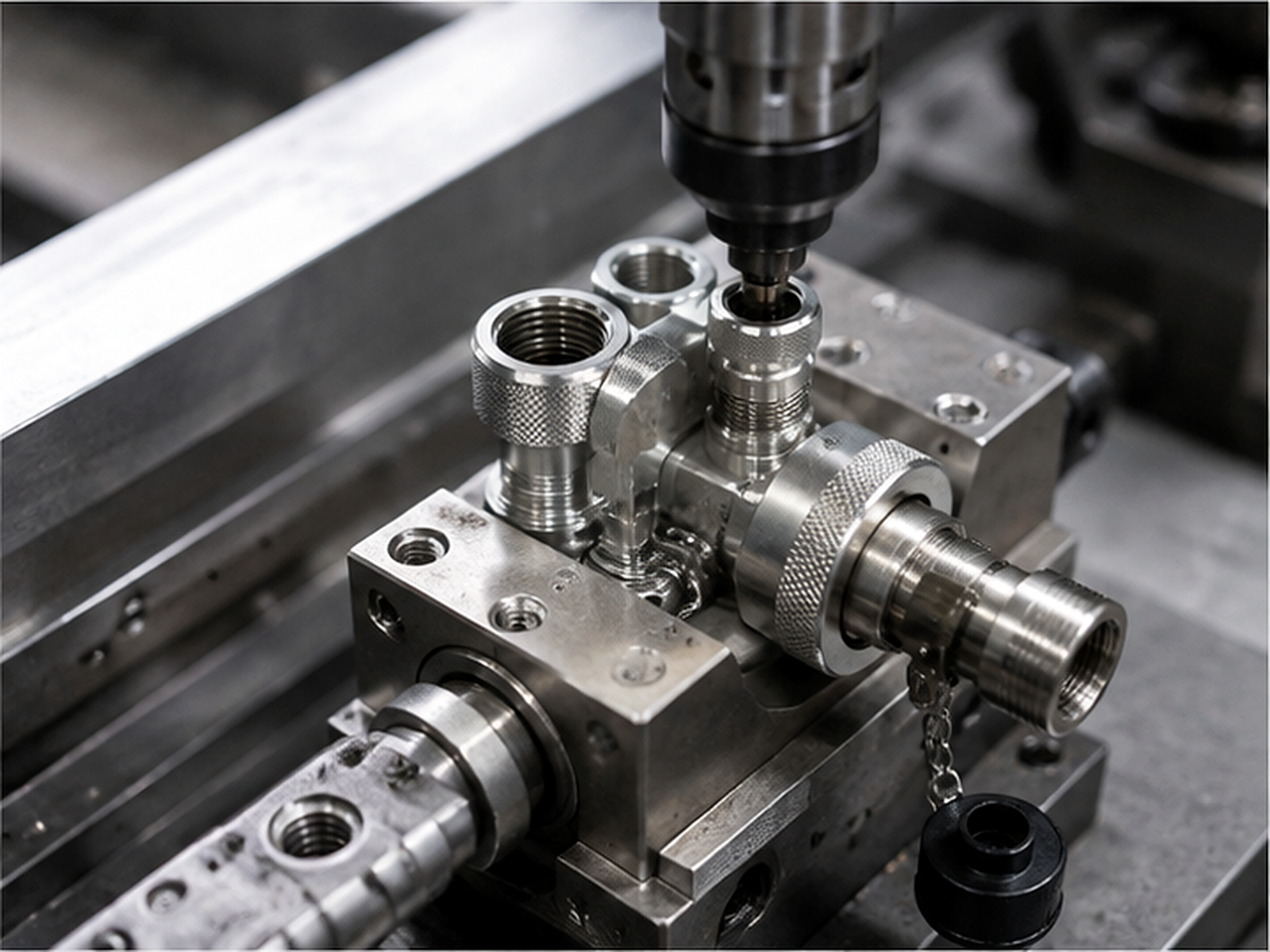
Application Inputs that Change Selection Diagram showing diagnostic fitting

Test Connections, Process Threads and Size Selection

The test connection receives the technician’s gauge or hose, while the process connection joins the test point to the machine. A matching thread on one side does not prove that both interfaces fit, seal or carry the required pressure state.

Request an Interface Review
Application Inputs That Change the Selection
The risk is a mismatch because a thread match proves geometry only and does nothing for pressure qualification. The mistake is treating similar ends as interchangeable; under the IKIN brand, TIME uses ISO 15171-2:2016 as a scope reference and asks buyers to confirm against the current model drawing.
Standard boundary: M16 threads, SAE ports and visually similar connectors are not interchangeable. Confirm the sealing form, pressure class and access envelope together.
01
TEST SIDE
Diagnostic interface

State the coupling family, M16 x 2 requirement or the exact mating hose/gauge connector.

02
MACHINE SIDE
Process port

State the full thread designation, male or female form, seal location and port standard.

03
ENVELOPE
Installed space

Record wrench access, cap clearance, orientation and the route for a connected test hose.

04
RELEASE
Drawing match

Approve the same revision used for material, seal, pressure and quantity.

Connection data that prevents an avoidable mismatch

  • Record the machine port’s thread standard, nominal size and pitch.
  • Identify the sealing geometry, such as an O-ring, bonded seal, cone or another documented form.
  • Define the diagnostic coupler, hose, adapter and gauge route on the test side.
  • Allow enough space to connect, read, disconnect and refit the protective cap.

Pressure States, Seal Options and Hydraulic Media

No single pressure value covers working, test, connection and residual-energy conditions. Record each state separately before selecting a test point, valve, hose or pressure gauge.

Pressure States and Media Technical Illustration

Compatibility boundary

An available seal is not a substitute for evidence that the whole fitting can handle the named fluid, temperature and pressure state.

Reference or option Published or first-party scope Selection boundary
ISO 15171-2:2016 M16 x 2 diagnostic coupling designed for connection under pressure Confirm the requested TIME model and current drawing
40 MPa / 400 bar ISO maximum for connection under pressure without tools Do not substitute the 630 bar working-pressure figure
63 MPa / 630 bar Conditional ISO maximum working pressure; also stated on the TIME legacy family page Materials, design, conditions and application still control
ISO 15171-1:1999 A separate diagnostic-coupling class not for connection under pressure Pressure-state class must be specified, not inferred from appearance
NBR TIME family option: -20°C to +100°C Temperature row does not prove fluid compatibility
FKM TIME family option: -20°C to +200°C Confirm compound, fluid and full assembly
EPDM TIME family option: -40°C to +150°C Do not assume compatibility with mineral oil
Low-temperature request -50°C option stated at product-family level Requires model and material confirmation

Fluid boundary

ISO 15171-2 describes mineral-oil hydraulic systems and calls for supplier–purchaser agreement for other fluids. Choosing NBR, FKM or EPDM is only one part of complete media compatibility.

Cone seal and disconnected-port control

The stated product-family commitment is a cone-seal, zero-leakage design under the confirmed connection, seal, installation and service conditions. Ask whether the selected model uses a ball, poppet or another valve arrangement; the current drawing and test record must answer that question.

  • Measure and record continuous, peak and planned hydraulic test pressure.
  • State whether technicians must connect or disconnect while pressure is present.
  • Name the fluid, concentration, minimum and maximum temperature.
  • Define the leakage, impulse, burst or endurance evidence required for release.

Material–Exposure Selection Dossier

This dossier converts “304 or 316?” from a guess into a traceable RFQ input. It does not calculate a universally safe grade; it records the conditions TIME needs before recommending a candidate and preparing a configuration-specific quotation.[3][5]

Material Exposure Selection Dossier configuration table
Dossier field What the buyer records Why it changes the review Escalation trigger
External atmosphere Indoor, outdoor, marine, splash, washdown or chemical area Defines corrosion mechanisms outside the hydraulic circuit Salt, standing moisture or unknown chemical exposure
Fluid and cleaning Hydraulic medium, additives, cleaning agents, concentration and contact time Connects body, seal and surface selection Non-mineral-oil fluid or incomplete composition
Temperature Minimum, continuous maximum, peaks and cleaning temperature Changes corrosion and seal behavior Combined heat, chloride or chemical exposure
Geometry Threads, cap, deposits, drainage, shielding and crevices Localized chemistry can differ from the open surface Trapped liquid, deposits or inaccessible cleaning
Surface condition Finish, fabrication, contamination risk and handling damage Passive-film performance depends on the real surface Carbon-steel contamination or damaged surface
Mixed materials Port, panel, fastener, hose end and electrical contact Shows possible galvanic pairing and area-ratio issues Small active component coupled to a large noble surface
Evidence request Material record, inspection record and model-specific test evidence Prevents a catalogue label from becoming the only proof Safety-critical or regulated application

304 candidate

Use when the documented service environment supports it and the complete connection remains verifiable.

Output: candidate, not automatic approval

316L candidate

Use when relative corrosion resistance supports the exposure, while retaining temperature, crevice and surface checks.

Output: candidate, not corrosion immunity

Engineering review

Use when chemistry is unknown, exposure is aggressive, the pressure class is unclear or evidence needs exceed the family page.

Output: stop and resolve inputs

Inspection, Traceability and Quality Control

Every test point is inspected before dispatch, and raw material is traceable at product-family level. Those controls support outgoing conformity, but they do not independently prove every pressure, fatigue, burst, impulse, leakage or chemical-compatibility condition.

Confirm the drawing revision and ordered material grade.

Define the inspection method and acceptance criteria on the order.

Ask which records are supplied with the shipment.

Request model-specific qualification evidence when the application requires it.

Evidence request checklist

  • Current drawing and part identification
  • Material and seal identification
  • Inspection characteristics and measured results
  • Requested pressure or endurance test method
  • Traceability link to the order or batch

Warranty scope: Stainless test points carry a 3-year quality warranty. Confirm remedy, exclusions, start date and application responsibilities in the written order terms.

Focused Hydraulic Test Point Manufacturing

TIME Hydraulic specializes exclusively in manufacturing hydraulic test points and hoses. Its China-based production covers a full range of hydraulic test point and test hose models, keeping connector, cap, hose and gauge discussions inside one diagnostic-access product family.[8]

Focused Hydraulic Test Point Manufacturing and diagnostic solutions
IKIN
Registered trademark stated by the company.
TIME Hydraulic
Operating company for the product range.
China production
5,000 m² production facility with new workshops under development.

Specify the assembled lead

When the test point must connect to a remote gauge, define the hose length, ends and routing with a custom hydraulic test hose assembly.

Match the instrument end

Review the gauge-side and machine-side interfaces together before choosing hydraulic test hose end fittings.

Evidence boundary

This page does not publish certificate claims, customer endorsements or patent ownership. Request the exact current document when one of those items is part of supplier approval.

From Application Inputs to a Confirmed Test Point Drawing

A useful quotation starts with one controlled revision of the technical inputs, not a loose product name. Geometry alone cannot prove rated performance, so TIME separates the ISO 15171-1 and ISO 15171-2 pressure-state classes before reviewing a model.

Drawing gate:
The problem is hidden when geometry appears correct because pressure state and service conditions live outside the thread dimensions. TIME resolves that gap with an ISO 15171-1 versus ISO 15171-2 class check before the drawing becomes a purchase input.

Request a Model-Bound Drawing Review →

STEP 01

Capture service

Fluid, temperature, external exposure, system pressure and diagnostic task.

STEP 02

Define interfaces

Test connection, machine thread, sealing form, hose or pressure gauge route.

STEP 03

Choose evidence

Drawing, material, inspection and model-specific validation requirements.

STEP 04

Release one revision

Quantity, marking, sample and commercial terms tied to the confirmed configuration.

From Application Inputs to a Confirmed Test Point Drawing

Send Your Drawing and Service Data

Start Review

Ordering and Procurement Terms for Stainless Test Points

The quotation identifies the item, revision, quantity, evidence scope and payment schedule. This product page does not set a minimum order, sample policy or payment method because those terms depend on the selected configuration and written quotation.

Ordering and Procurement Terms for Stainless Test Points
Field:Minimum order quantity
How it is confirmed:Confirmed for the selected standard or custom item in the quotation
Buyer action:State sample, pilot and production quantities separately
Field:Sample policy
How it is confirmed:Availability, charges and delivery terms are confirmed for the selected item
Buyer action:Identify the exact test point and destination
Field:Payment
How it is confirmed:Method, deposit and balance schedule are confirmed in the quotation
Buyer action:Approve the written schedule with the order
Field:Production schedule
How it is confirmed:Confirmed in the quotation for the released configuration
Buyer action:Supply the required date and destination
Field:Evidence scope
How it is confirmed:Defined with the requested drawing and inspection package
Buyer action:List mandatory documents before quotation

Practical Fit and Alternatives

A stainless hydraulic test point is not the automatic answer to every diagnostic problem. Pause the selection when the test location, interface, pressure state, stored energy, fluid or corrosion exposure remains unresolved.

Do not connect yet risk assessment

Do not connect yet

The coupling class is unknown, the point is not approved for connection under pressure or the system cannot be placed in a safe state.

Do not choose by grade alone

Do not choose by grade alone

The chemical environment, chloride source, temperature, crevice geometry or surface condition is missing.

Do not release by thread alone

Do not release by thread alone

The process port, diagnostic side, seal location or service clearance is not confirmed on a drawing.

  • Use another diagnostic-coupling class when connection under pressure is neither required nor approved.
  • Relocate the port when a gauge or hose cannot be connected, read and removed with safe access.
  • Escalate beyond 304/316L when documented exposure exceeds the selected grade’s defensible service.
  • Request a custom adapter or drawing review when the machine port and available test coupling do not align.

The trade-off: a faster catalogue choice can leave an interface, pressure or corrosion condition unresolved. The right call is to stop, document the gap and release a verified alternative.

Review an Unresolved Application

Stainless Steel Hydraulic Test Point Questions

It is a diagnostic fitting that gives a gauge or test hose a controlled connection to a hydraulic circuit.

Specify stainless as a candidate when external moisture, washdown chemicals, salt or the wider process environment makes corrosion resistance part of the buying decision. Record where the exposure reaches the installed fitting, how long it remains wet, which metals touch it and how the surface is cleaned before selecting the grade.

Review chloride, pH, temperature, crevice, surface and mixed-metal conditions first. 316L has better relative resistance in many chloride services, but neither grade is corrosion-proof.

Not necessarily. ISO 15171-2 uses M16 x 2 for the diagnostic coupling end and identifies several stud ends on the other side. Record the diagnostic connector, full process-thread designation, sealing form and installed access separately, then compare all four items with the current drawing.

No conclusion should come from the working-pressure number alone. ISO 15171-2 states up to 400 bar for connection under pressure without tools and a conditional 630 bar maximum working pressure, so confirm the TIME model and operating state.

NBR, FKM and EPDM are product-family options, not a complete compatibility verdict. Give TIME the exact oil, additives, concentration, minimum temperature, continuous maximum, short peaks and any cleaning agent; the body, seal, valve, hose and gauge path must be reviewed as one assembly.

Yes. The stated scope is 100% inspection for every test point; define the method and record in the quotation.

Send the existing drawing and mark both interfaces. Add fluid, temperature, external exposure, working and test pressure, whether connection occurs under pressure, material preference, quantity, destination and the evidence your supplier-approval process requires.

Ask TIME to review the selected item and destination. Availability, charges and delivery terms are confirmed in the written quotation.

It is not fixed on this page. List sample, pilot and production quantities separately so TIME can confirm the applicable minimum in the quotation.